

acid etched glass windows
Understanding the Taper Gauge Set A Comprehensive Overview The taper gauge set is a vital tool used in various industries, especially in machining and manufacturing, to ensure precision in measurements and fitments. Taper gauges are designed to measure the taper of holes, slots, and other geometrical features, allowing engineers and technicians to achieve high levels of accuracy in their work. This article delves into the significance, usage, and benefits of taper gauge sets. What is a Taper Gauge Set? A taper gauge set typically consists of a series of tapered measuring instruments, often produced in various sizes and degrees of taper. These gauges can be made from high-quality steel or other durable materials to provide longevity and resistance to wear. The taper is usually defined by a specific angle, allowing users to assess the degree of taper accurately. The gauges can be single-ended or double-ended, with one end often being finer to measure precise angles. Each gauge in the set correlates to a specific taper measurement, permitting a range of adjustments to accommodate different applications. Importance of Taper Gauges The significance of taper gauge sets cannot be understated, particularly in fields requiring precise machining, such as automotive, aerospace, and construction. They play a critical role in quality control processes, ensuring that components fit together seamlessly. For instance, if a part is meant to connect at a specific angle, using a taper gauge set helps ensure that the taper conforms to design specifications. Moreover, taper gauges are essential in detecting wear and tear in tooling and fixtures, allowing for timely maintenance and avoiding costly downtimes. Regular measurements using these gauges can lead to improved product quality and operational efficiency. How to Use a Taper Gauge Using a taper gauge set is straightforward, but it requires a level of skill and understanding to achieve optimal results . Here’s a simple step-by-step guide 1. Select the Right Gauge Begin by selecting the appropriate taper gauge from the set that matches the required measurement. taper gauge set 2. Insert or Place the Gauge Carefully insert the gauge into the taper opening, ensuring it aligns correctly with the tapers of the object being measured. 3. Check Fitment Observe how the gauge fits. A snug fit indicates a correct taper, while a loose or tight fit might suggest that adjustments are needed. 4. Record Measurements Note the measurements obtained from the gauge, which will inform any necessary adjustments to the workpiece or tooling. 5. Repeat as Necessary For accuracy, it might be prudent to use multiple gauges from the set to confirm results. Benefits of Using a Taper Gauge Set 1. Precision Taper gauge sets provide a high level of accuracy, crucial in industries where even minor deviations can lead to significant operational issues. 2. Versatility These sets can be used for a range of applications, from inspecting machined parts to verifying the quality of finished products. 3. Durability Made from high-quality materials, taper gauges are built to withstand repeated use without losing accuracy. 4. Cost-Efficiency By ensuring that parts are manufactured to specification, taper gauges help avoid rework and material waste, ultimately saving costs. Conclusion The taper gauge set is an indispensable tool for professionals engaged in precision engineering and production. Its ability to measure taper accurately not only contributes to product quality but also enhances the overall manufacturing process. Whether in automotive assembly lines, aerospace component fabrication, or within any precision-centric field, understanding the function and application of taper gauge sets is crucial for maintaining excellence in workmanship.
about
acid etched glass windows
Metal vs. Block An In-Depth Comparison in Modern Applications In the ever-evolving realm of materials science, the choice between metal and composite blocks has become a critical topic for engineers and designers alike. Each material comes with its own set of advantages and challenges, which can significantly influence the performance, durability, and cost-effectiveness of a project. Metal vs . Block An In-Depth Comparison in Modern Applications However, metals do come with their downsides. They can be heavy, leading to increased weight in applications where reducing mass is crucial. Additionally, metals are susceptible to corrosion, which can compromise their integrity over time, especially in harsh environments. Engineers often need to consider protective coatings or alloying elements to mitigate these issues, which can add to the cost and complexity of projects. metal v block On the other hand, block materials—often referring to composite blocks—have gained popularity in recent years. Composites, made from a combination of materials such as plastics, fibers, and resins, offer exceptional lightweight properties without sacrificing strength. This characteristic has led to their widespread use in industries like sports equipment, marine applications, and even in some aerospace components. One notable advantage of composite blocks is their resistance to corrosion and environmental degradation. The non-metallic nature of these materials allows them to perform well in scenarios where metals would typically fail, such as exposure to saltwater or chemical environments. Moreover, composites can be engineered to exhibit specific properties tailored to particular applications, providing designers with unparalleled flexibility. However, the use of composite blocks is not without limitations. The manufacturing processes for composites can be more intricate and costly, especially when it comes to ensuring consistent quality and performance. Additionally, the repair of composite materials can be more challenging than traditional metal repairs, necessitating specialized knowledge and techniques. In conclusion, the choice between metal and block materials ultimately hinges on the specific requirements of a project. Metals provide unmatched strength and proven engineering benefits, while composites offer versatility and resistance to environmental challenges. Understanding the unique properties of each material allows engineers to make informed decisions that align with their project goals, ensuring optimal performance and longevity. As advancements continue in both fields, the debate between metal and block will undoubtedly keep evolving, highlighting the importance of innovation in materials science.
-

High quality industrial productsagement

High quality industrial products
View Details -

Meet the diverse needs of customers

Meet the diverse needs of customers
View Details -

Strict quality control

Strict quality control
View Details -

Top raw materials

Top raw materials
View Details -

Trusted supplier

Trusted supplier
View Details
Our application
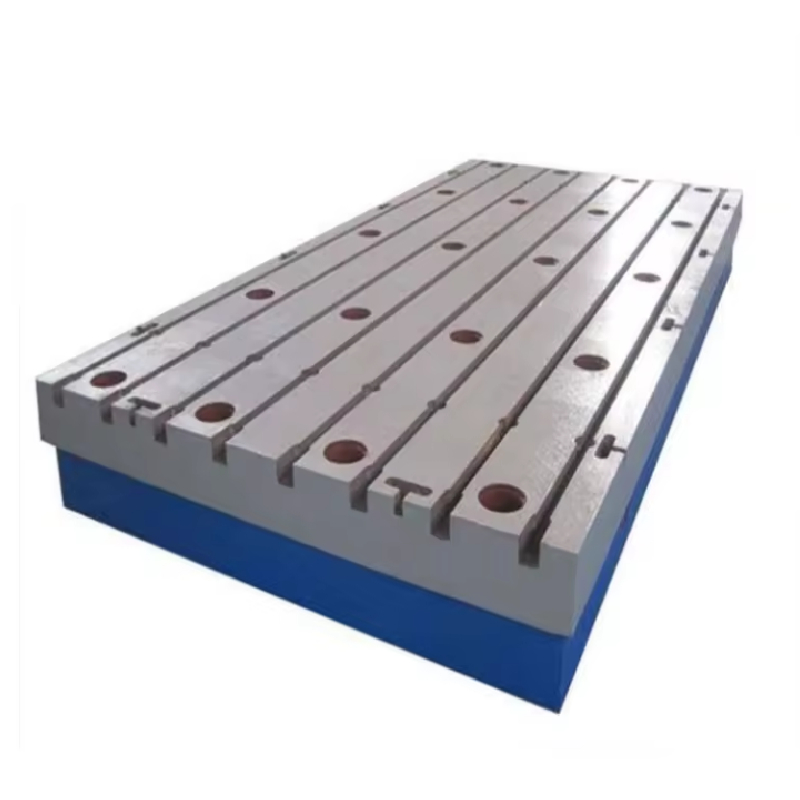
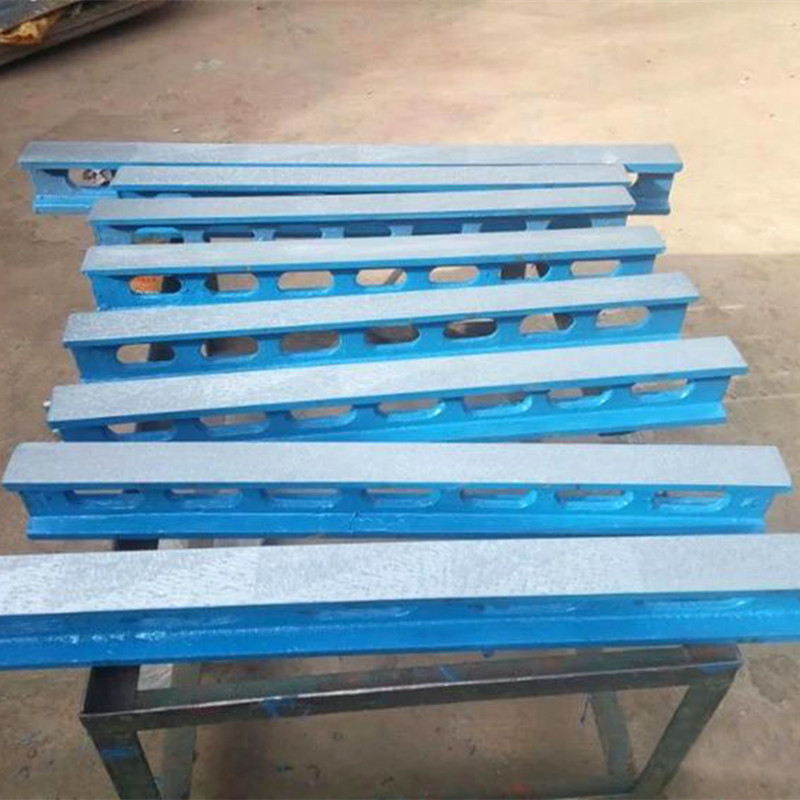
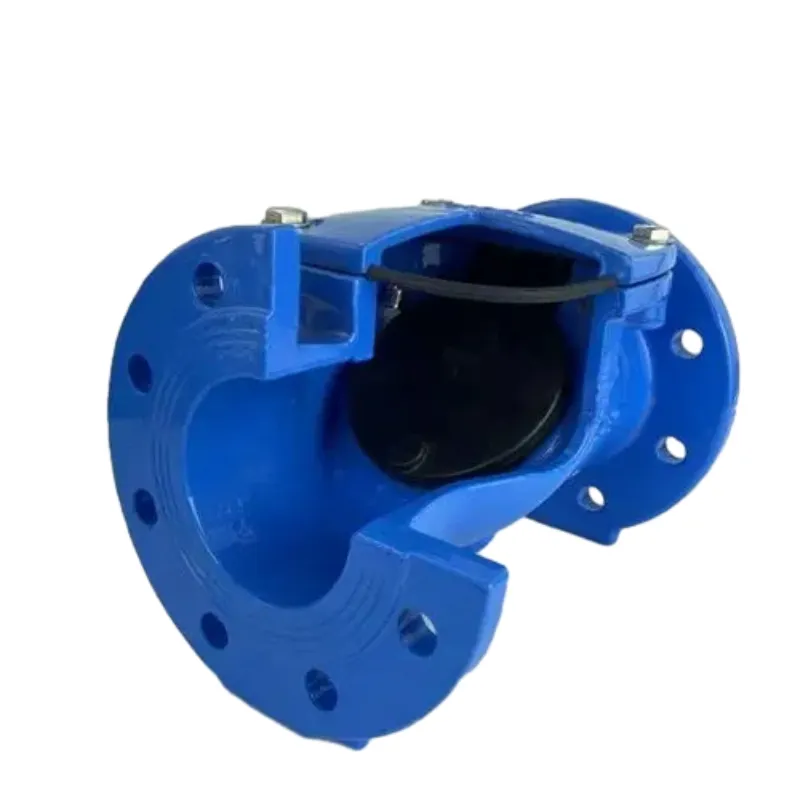
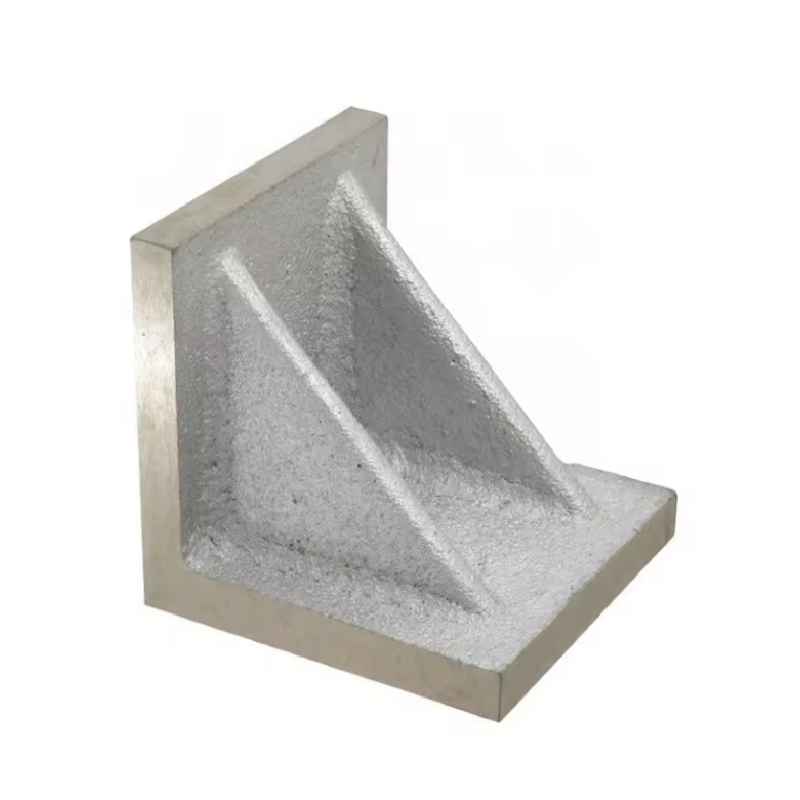
news and information
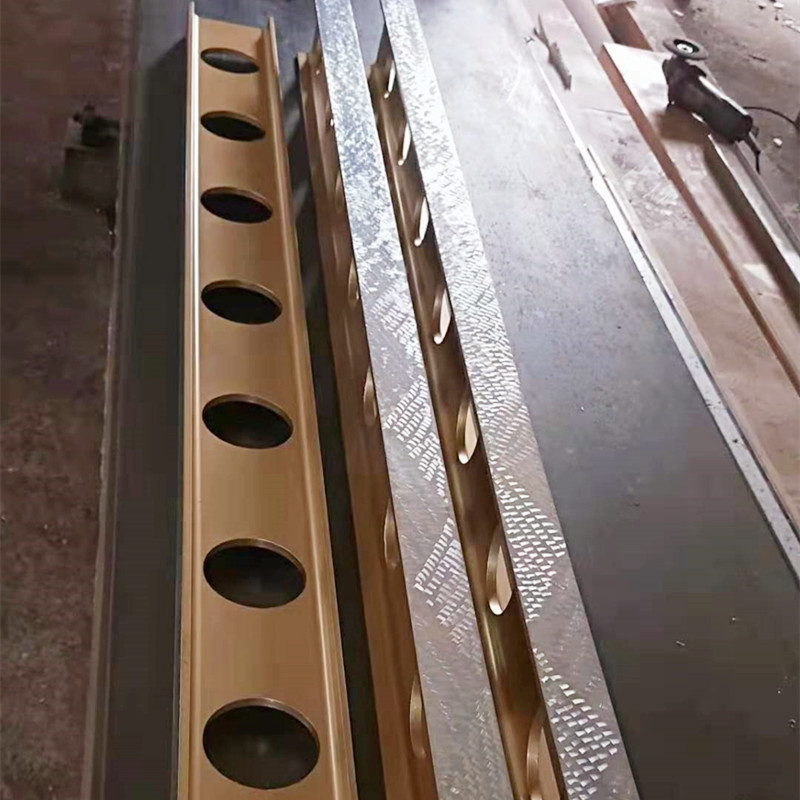
y type strainer filter
Understanding Y Type Strainer Filters Importance and Applications In various industrial processes, t
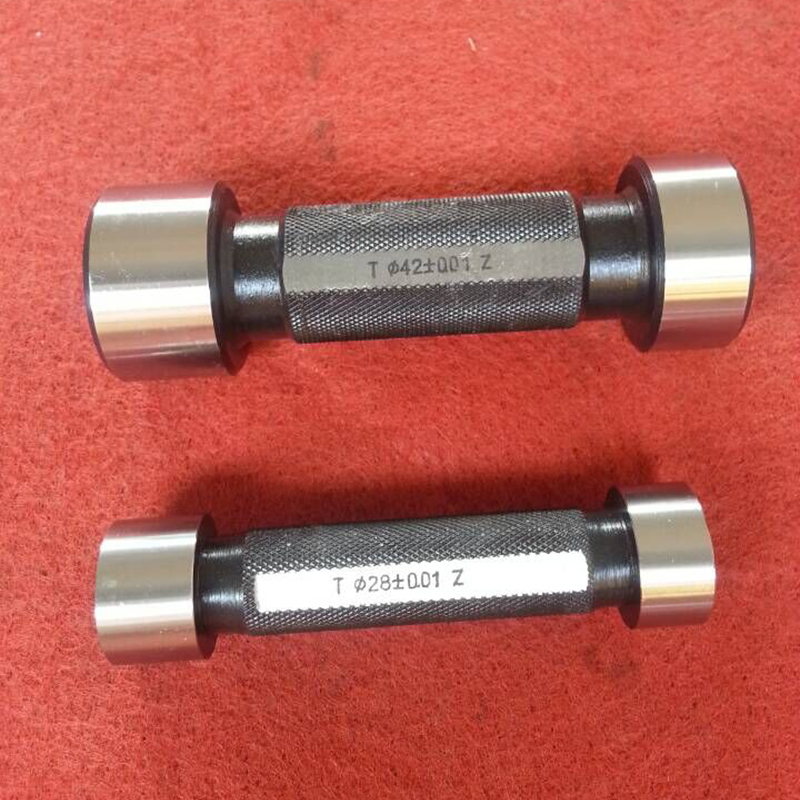
v block
Understanding the V Block in Modern Technology In the fast-paced world of technology, the term V b
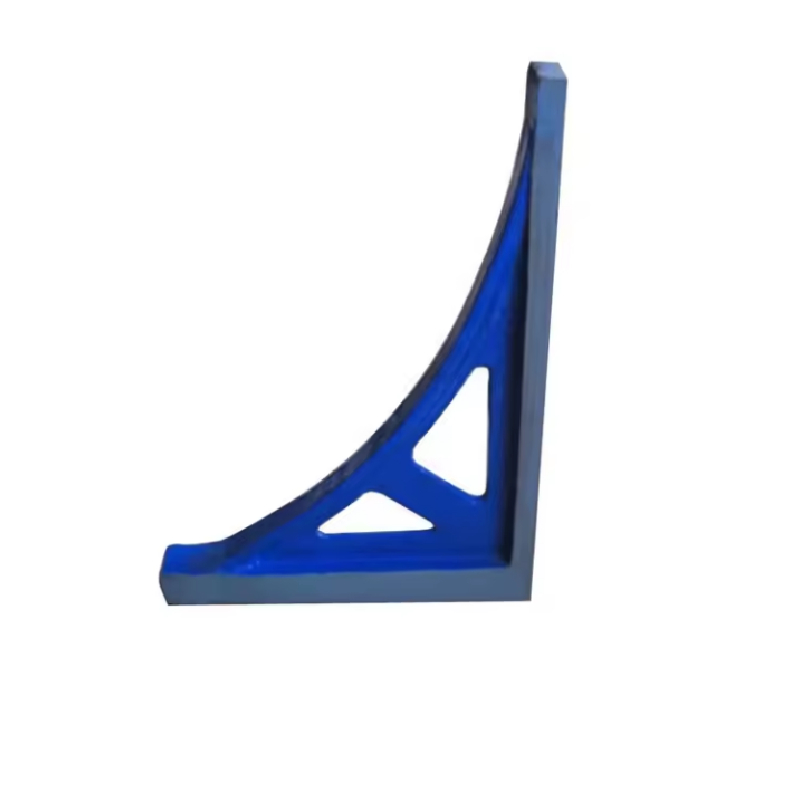
Welding Tables Available for Purchase Online at Competitive Prices
When it comes to welding projects, having the right equipment is crucial to ensure efficiency and qu
 English